
Do I need an EPC Certificate? A Clear Guide for Property Owners
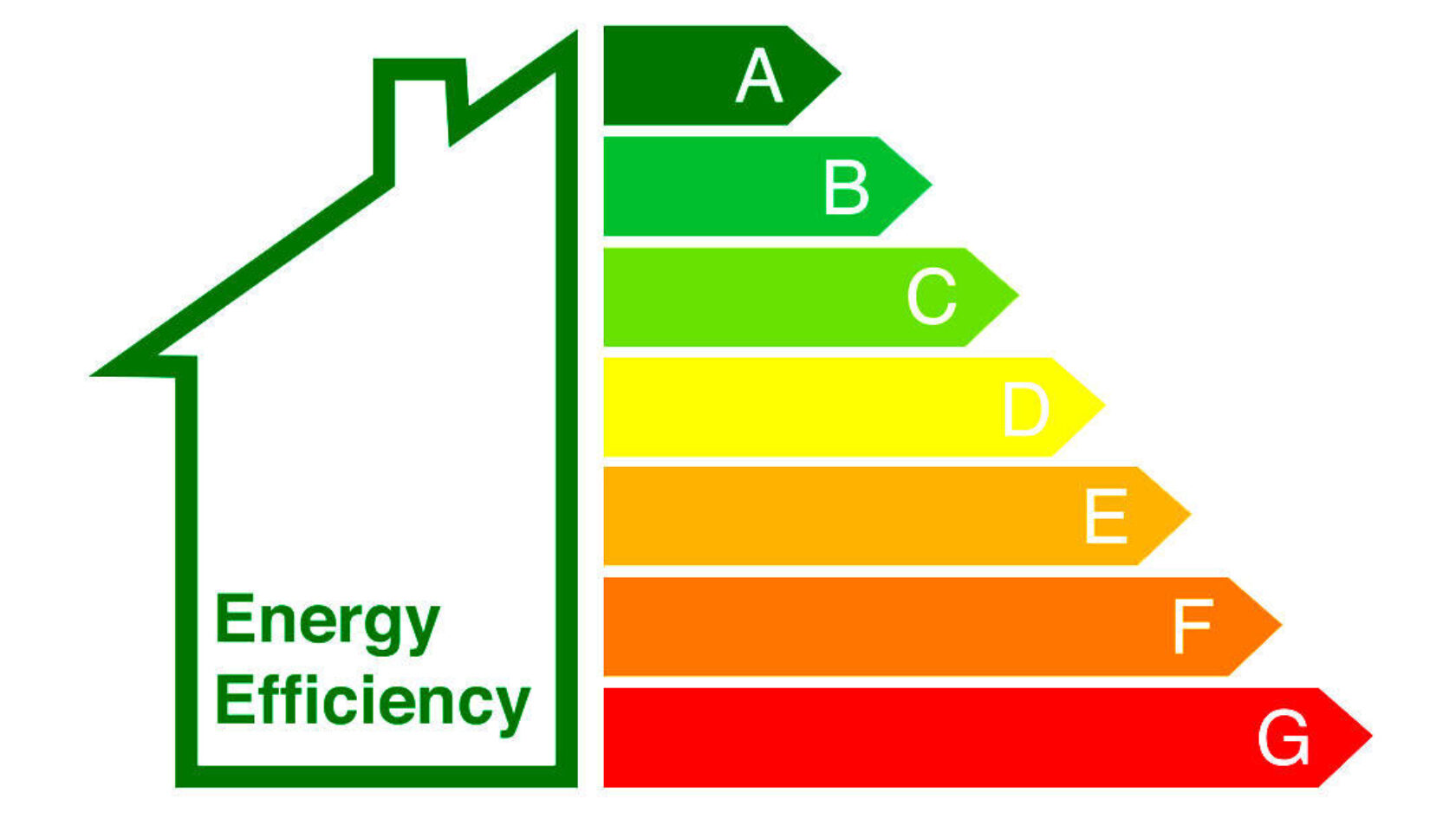
If you are selling, renting, or preparing to market a property, you may be asking: Do I need an EPC Certificate? For most homes in England, the answer is yes. An Energy Performance Certificate, usually shortened to EPC, shows how energy efficient a property is and gives it a rating from A to G. It also includes recommendations that may help improve comfort, reduce energy waste, and make the property more appealing to buyers or tenants.
At East Kent Energy Insights, we provide domestic EPCs, floor plans, property photography, 360° virtual tours, drone surveys, and property marketing support across Thanet, Kent, and the wider East Kent area. As a family-run, Elmhurst Energy accredited company, we aim to make the process simple, accurate, and easy to understand.
Do I need an EPC Certificate? The main situations explained
You usually need an EPC before a property is sold or rented. It must be available to prospective buyers or tenants when the property is marketed, not after the deal has already been agreed. This means it is best to arrange the assessment early, particularly if you are preparing photographs, floor plans, or an estate agent listing.
The certificate gives people a clear view of how the property performs, including estimated energy use and potential improvements. It can be especially useful for landlords, as energy performance standards affect whether a rental property can legally be let in many circumstances.
You can read more about Energy Performance Certificates on the official GOV.UK EPC guidance, which explains when certificates are needed and how they are used during a property sale.
What does an EPC actually show?
An EPC gives your property an energy efficiency rating from A, which is the most efficient, through to G, which is the least efficient. The report also includes estimated energy costs and practical suggestions for improving the rating. These could include insulation, heating controls, low-energy lighting, boiler upgrades, or renewable energy options, depending on the property.
The purpose of the report is not just to produce a document for compliance. A well-explained EPC can help you understand where energy is being lost and which improvements may offer the best value. This is particularly helpful if you are planning upgrades before selling, letting, or renovating.
East Kent Energy Insights provides clear, practical advice alongside EPC assessments, so you understand the result rather than simply receiving a certificate with technical information.
Do I need an EPC Certificate? For selling your home
If you are selling a residential property, an EPC is normally required before the property is placed on the market. Estate agents will often ask for it before the listing goes live, as buyers should be able to see the energy rating when considering the home.
For sellers, an EPC can help avoid delays. If the certificate is missing, it may slow down the marketing process or create unnecessary back-and-forth later. Arranging the EPC alongside property photography and floor plans can make the whole process smoother.
East Kent Energy Insights offers property marketing packages that can include an EPC, professional floor plan, and high-quality photographs, helping homeowners and estate agents get a property market-ready in one booking.
Do I need an EPC Certificate? For renting a property
Landlords usually need a valid EPC before advertising a rental property. Tenants should be able to see the energy rating before agreeing to rent, and landlords must also pay attention to minimum energy efficiency standards.
For rental properties, the EPC is more than a marketing document. It can affect whether a property is suitable to let, so it is worth checking the rating before a tenancy begins. If the rating is low, the recommendations section may help identify practical steps that could improve the property’s performance.
East Kent Energy Insights supports landlords across the local area with fast, reliable domestic EPCs from £65, along with straightforward advice on what the certificate means.
How long does an EPC last?
An EPC is normally valid for 10 years. If your property already has a valid certificate, you may not need a new one straight away. However, it can still be worth arranging a fresh assessment if major improvements have been made since the last certificate was issued.
For example, if you have upgraded insulation, replaced windows, installed a new boiler, fitted low-energy lighting, or made other energy-saving changes, a new EPC may show a better rating. This can be useful when selling or renting, especially if energy efficiency is likely to matter to buyers or tenants.
A current and accurate EPC gives a clearer picture of the property as it stands now, rather than relying on an older report that may no longer reflect the building properly.
Do I need an EPC Certificate? What happens during the assessment?
An EPC assessment is usually straightforward. A qualified assessor visits the property and records details such as the building type, age, construction, heating system, insulation, glazing, lighting, and other features that affect energy performance. The assessment is non-invasive, so there is no need to lift floorboards or damage the property.
The information is then used to produce the certificate and rating. Once completed, the EPC is lodged correctly and can be used for your sale, rental, or property records.
As an accredited provider through Elmhurst Energy, East Kent Energy Insights follows professional standards for domestic energy assessments, helping customers feel confident that their report is accurate and compliant.
Why use a local EPC provider?
Choosing a local assessor can make the process easier. A local provider understands the housing stock, common property types, and practical needs of homeowners, landlords, and estate agents in the area. This can be especially useful in coastal towns, period homes, flats, converted buildings, and rental properties where energy performance can vary widely.
East Kent Energy Insights is based in East Kent and works with homeowners, landlords, estate agents, and local businesses. We are family-run, approachable, and focused on making energy performance simple. Alongside EPCs, we also offer drone photography, property photography, floor plans, 360° virtual tours, and marketing packages designed to help properties stand out.
Do I need an EPC Certificate? When it may not be required
There are some cases where an EPC may not be needed, such as certain listed buildings, temporary buildings, some places of worship, and specific low-energy or standalone buildings. However, exemptions can be specific, so it is better not to assume your property is exempt without checking.
If you are unsure, a professional assessor can help you understand whether an EPC is required for your situation. This avoids wasted time and helps you move forward with confidence, especially if you are preparing to sell, let, or market a property soon.
Frequently Asked Questions
How much does an EPC cost?
Prices can vary depending on the property and provider. East Kent Energy Insights offers domestic EPCs from £65, with clear pricing and dependable local service.
Can I sell my house without an EPC?
In most cases, you need an EPC before marketing a property for sale. It should be available to potential buyers during the marketing process.
Can I rent out my property without an EPC?
Most rental properties need a valid EPC before they are advertised. Landlords should also check that the property meets the relevant minimum energy efficiency requirements.
How quickly can an EPC be completed?
The assessment itself is usually straightforward, and turnaround times are often quick. Booking early is recommended if you are preparing a property for sale or rent.
If you are still asking, Do I need an EPC Certificate? East Kent Energy Insights can help. Whether you need a domestic EPC, floor plan, photography, drone footage, or a complete property marketing package, our local team provides a friendly, reliable service across Thanet, Kent, and East Kent.