
Why do I need a Commercial EPC? A practical guide for property owners and landlords
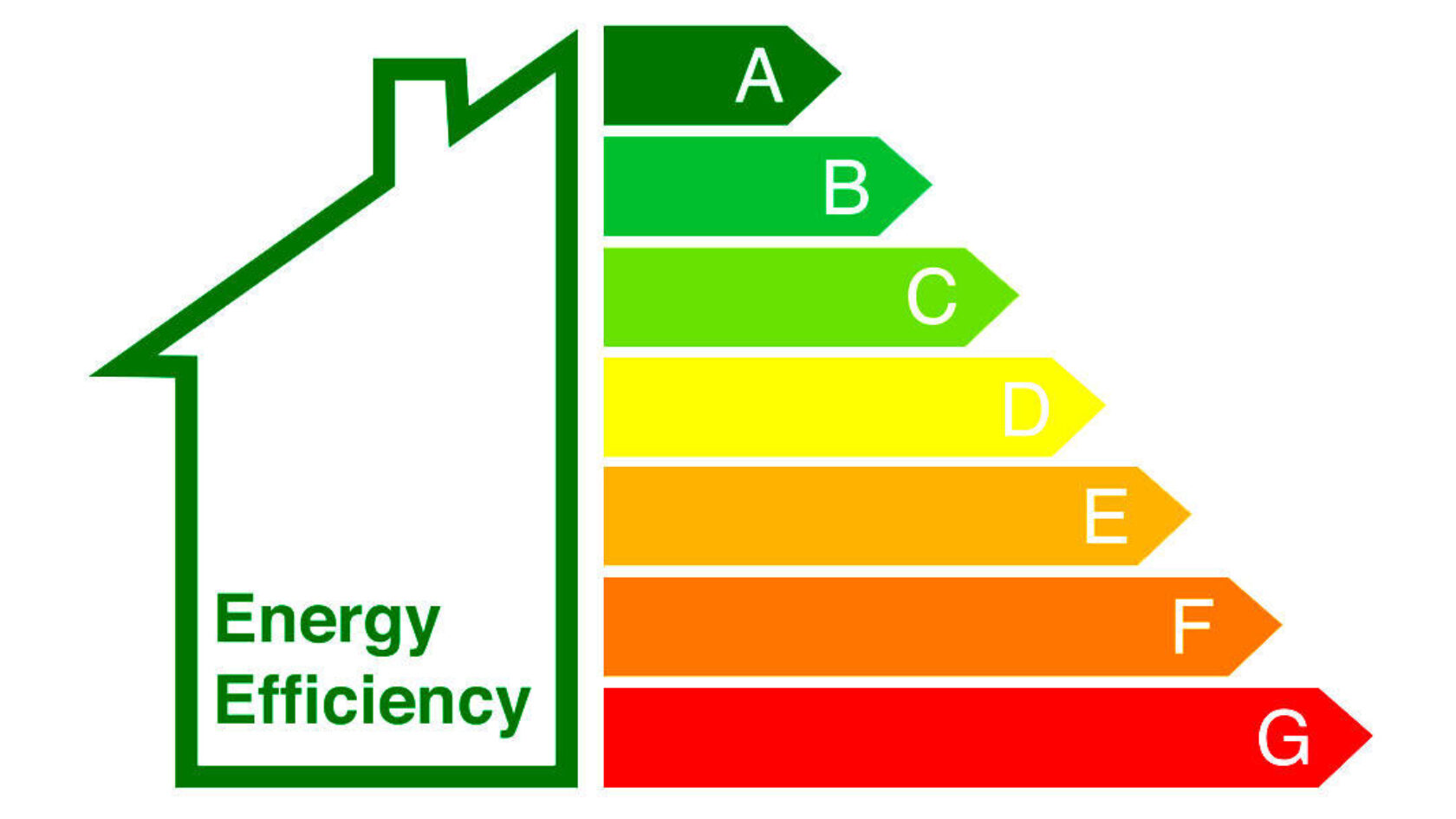
Why do I need a Commercial EPC? It is a common question from business owners, landlords and property sellers preparing to market, lease or improve non-domestic premises. A commercial Energy Performance Certificate gives a building an energy-efficiency rating from A to G and includes recommendations that could reduce energy use, running costs and carbon emissions.
Why do I need a Commercial EPC? Legal responsibilities explained
In most cases, a commercial property needs a valid EPC before it is sold or rented. The certificate allows prospective buyers and tenants to understand the building’s energy performance before making a commitment. The rating must also be included in property marketing where the regulations apply, so arranging the assessment early can prevent delays when an agent, solicitor or interested occupier requests it.
The requirement covers many non-domestic premises, including shops, offices, restaurants, warehouses, workshops and mixed-use buildings. Certain properties and transactions are exempt, so it is sensible to confirm the position rather than assume a certificate is unnecessary. The GOV.UK Energy Performance Certificate guidance provides a useful introduction to the EPC system.
Why do I need a Commercial EPC? Requirements for landlords
Commercial landlords have responsibilities beyond producing a certificate for a new letting. Under the Minimum Energy Efficiency Standards, most privately rented non-domestic properties in England and Wales must achieve at least an EPC rating of E unless a valid exemption applies. Since April 2023, this requirement has applied to qualifying existing tenancies as well as new leases.
A current assessment helps establish whether your property meets the required standard and whether improvements should be considered before marketing or renewing a lease. If the building receives an F or G rating, you may need to complete qualifying energy-efficiency work or register an appropriate exemption before it can lawfully continue to be let.
Addressing the issue early gives you more time to investigate suitable improvements, request quotations and plan expenditure. It can also reduce the risk of a property remaining vacant because compliance work was left until a tenant was ready to move in.
What happens during a commercial EPC assessment?
A commercial EPC must be completed by an accredited non-domestic energy assessor. The assessor gathers information about the building’s size, layout, construction, insulation, glazing, heating, cooling, ventilation and lighting. Plans, manuals and records of building services may also be reviewed where they are available.
The information is entered into approved calculation software to produce the energy rating and recommendation report. The inspection is generally non-invasive, but the assessor will need access to relevant areas of the premises. Providing floor plans and details of heating, cooling and lighting systems beforehand can make the process more efficient, particularly for larger or more complex buildings.
Using a properly accredited assessor gives you confidence that the assessment follows the required methodology and is lodged correctly. Elmhurst Energy is one of the UK’s established accreditation bodies for energy assessors.
Why do I need a Commercial EPC? Benefits beyond compliance
An EPC does more than confirm whether a building meets a legal requirement. It creates a standardised rating that buyers, tenants, lenders and property advisers can understand and compare. It also identifies potential improvements involving areas such as lighting, heating controls, insulation and building services.
The recommendations are not quotations or guaranteed savings, but they provide a practical starting point for further investigation. You can use the report to prioritise improvements, support refurbishment planning and discuss suitable work with contractors or energy consultants.
A stronger rating may also make a commercial property more appealing to prospective occupiers. Tenants increasingly consider utility costs, workplace comfort and environmental commitments when comparing premises. Clear evidence of energy performance can therefore support marketing and help occupiers make a more informed decision.
How long is a commercial EPC valid?
A commercial EPC is generally valid for ten years. However, a new assessment may be worthwhile sooner if the building has undergone significant alterations or changes to its services. Replacing heating, cooling, lighting or insulation can affect the rating, and an updated certificate may represent the property more accurately.
Before ordering an assessment, check whether a valid certificate already exists for the premises. Do not rely solely on an old printed copy; confirm that the details match the building being sold or let and that the certificate remains current.
For commercial property owners across Kent, including premises in Thanet, arranging an EPC before marketing begins can reduce avoidable hold-ups and provide time to respond to any concerns raised by the rating.
Frequently Asked Questions
Do all commercial properties need an EPC?
No. Certain buildings, uses and transactions may be exempt, including some temporary buildings, places of worship and particular low-energy-use premises. An accredited assessor can help determine whether the regulations apply to your property.
Can I market a commercial property before the EPC is completed?
You should commission the EPC before marketing and make the rating available as required. Leaving it until a buyer or tenant is ready to proceed may cause delays and create compliance problems.
What happens if my property is rated F or G?
If the property is privately rented and covered by the regulations, you may need to complete qualifying improvements or register a valid exemption. The correct route depends on the building, tenancy and proposed work.
Who can produce a commercial EPC?
Only a suitably qualified and accredited non-domestic energy assessor can issue one. Why do I need a Commercial EPC? Because it provides recognised evidence of the building’s performance, but it must be prepared using approved methods and correctly lodged on the official register.
East Kent Energy Insights provides commercial EPC assessments alongside property photography, floor plans, drone surveys and 360° virtual tours. Contact the local team for clear guidance and a dependable service tailored to your commercial premises.