
Commercial EPC in Westgate: A Practical Guide for Local Property Owners
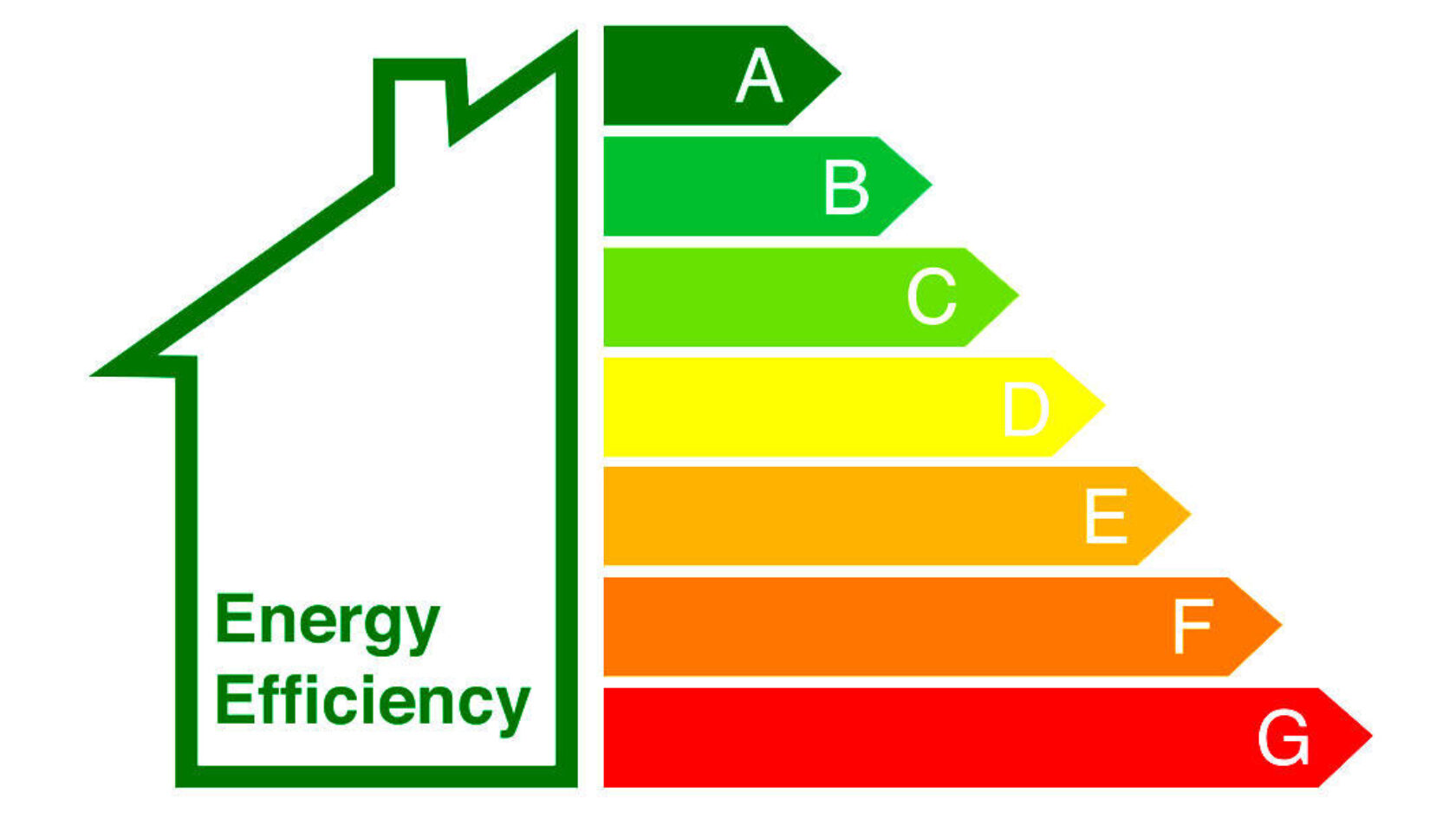
Arranging a Commercial EPC in Westgate is a necessary step for many landlords, business owners and property managers before selling, letting or constructing a non-domestic building. The certificate gives the property an energy efficiency rating from A to G and includes recommendations that may help reduce energy use. Understanding the process in advance can make booking easier, prevent delays and ensure you have the right documentation ready for your transaction.
When Is a Commercial EPC in Westgate Required?
A commercial Energy Performance Certificate is generally required when a non-domestic property is built, sold or rented. This can include offices, shops, restaurants, warehouses, workshops and mixed-use premises. There are exemptions in certain circumstances, so it is sensible to confirm the position before assuming that a certificate is unnecessary.
The person responsible for selling or letting the building must usually make the EPC available to prospective buyers or tenants at the appropriate stage. A valid certificate normally lasts for ten years, although a new assessment may be worthwhile after substantial alterations or major energy improvements.
Official guidance is available through the GOV.UK Energy Performance Certificates pages. These explain the wider EPC framework and help property owners understand their responsibilities. For premises in Thanet and across Kent, using a local assessor can also simplify access arrangements and communication.
What Happens During the Assessment?
The assessor visits the property to collect information about the building and its fixed services. This may include measurements, construction details, insulation, glazing, heating, cooling, ventilation, hot water and lighting. The assessment is non-invasive, but access is needed to the main areas of the premises, plant rooms and relevant controls where applicable.
Before the appointment, gather any plans, building specifications, records of insulation, boiler details or information about recent upgrades. Good evidence can help the assessor use accurate data rather than default assumptions. It is also helpful to ensure that keys, alarm details and access permissions are organised in advance, particularly for vacant or multi-occupied buildings.
After the visit, the collected data is entered into approved software to calculate the rating. The final report shows the current grade and provides suggested improvements. These recommendations are advisory, but they can highlight practical measures such as better lighting controls, improved insulation or more efficient heating systems.
How a Commercial EPC in Westgate Supports Property Decisions
A Commercial EPC in Westgate is more than a document for a sale or tenancy file. It gives owners and occupiers a standardised view of the building’s energy performance, making it easier to compare premises and identify areas that may deserve attention.
For landlords, the rating can influence letting plans and future improvement budgets. For buyers, it provides useful information before committing to a property. Business tenants may also use the recommendations to understand potential running costs, although actual energy bills will depend on operating hours, equipment, occupancy and individual usage.
Taking action on suitable recommendations may improve comfort, reduce avoidable waste and make the premises more attractive to energy-conscious occupiers. Not every recommendation will suit every building, so costs, payback periods and operational needs should be considered before work begins.
Choosing an Assessor for a Commercial EPC in Westgate
Commercial assessments require the correct qualification for the type and complexity of the building. Ask the provider to confirm that the assessor is accredited and able to assess your premises. Accreditation schemes provide quality assurance and require assessors to follow recognised procedures. Elmhurst Energy is one of the UK’s established accreditation bodies.
Clear pricing is equally useful. The cost can vary according to floor area, layout, building services, available evidence and the time needed on site. Providing accurate property details at the enquiry stage helps the assessor give a realistic quotation and reduces the chance of unexpected changes.
Local knowledge can make the process smoother, especially where parking, access, trading hours or multiple occupiers need to be considered. East Kent Energy Insights offers a practical, approachable service for customers who need clear communication, dependable appointments and straightforward guidance.
Frequently Asked Questions
How long does a commercial EPC assessment take?
The visit length depends on the size and complexity of the building. A small shop or office may take considerably less time than a large property with several zones and mechanical systems.
How long is a commercial EPC valid?
A commercial EPC is generally valid for ten years, unless it is replaced by a newer certificate. Check the existing record before arranging another assessment.
Can a property fail an EPC assessment?
The assessment produces a rating rather than a simple pass or fail. However, separate legal minimum standards may affect whether some rented properties can be let, so professional advice may be needed if the rating is low.
What information should I provide before the visit?
Share the property address, approximate floor area, building use, number of floors and details of heating or cooling systems. Plans and records of improvements are also helpful where available.
For a Commercial EPC in Westgate, early preparation can keep your sale, letting or compliance work moving without unnecessary disruption. East Kent Energy Insights can arrange commercial EPC services alongside floor plans, property photography, drone surveys and 360° virtual tours, giving local customers a convenient way to manage essential property requirements.