
Commercial EPC in Deal: A Practical Guide for Local Property Owners
Arranging a Commercial EPC in Deal is usually required before a non-domestic property is sold, rented or newly constructed. The certificate gives potential buyers or tenants a clear view of the building’s energy efficiency and highlights practical opportunities for improvement. For landlords, business owners and property managers, obtaining the correct assessment at the right time can prevent delays and make the transaction process considerably smoother.
When Is a Commercial EPC in Deal Required?
A commercial Energy Performance Certificate is generally needed when a non-domestic building is marketed for sale or rent. This can include shops, offices, restaurants, warehouses, workshops, surgeries and mixed-use premises. The EPC must normally be commissioned before marketing begins and made available to prospective buyers or tenants.
There are some exemptions, including certain places of worship, temporary buildings and detached buildings with a total useful floor area below 50 square metres. However, exemptions depend on the building and how it is used, so owners should avoid assuming that their premises automatically qualify.
An EPC remains valid for ten years unless a newer certificate is produced. Before arranging another assessment, you can check whether the property already has a valid certificate through the official GOV.UK guidance on Energy Performance Certificates.
What Does a Commercial EPC Assessment Cover?
A qualified non-domestic energy assessor visits the premises and records information about the building’s construction and energy systems. The assessment may consider the size and layout of the property, wall and roof construction, glazing, insulation, heating, cooling, ventilation, hot water and fixed lighting.
The assessor also needs to understand how different parts of the building are used. An office, storage area and customer-facing retail space may have different heating, lighting and ventilation requirements, even when they are within the same property.
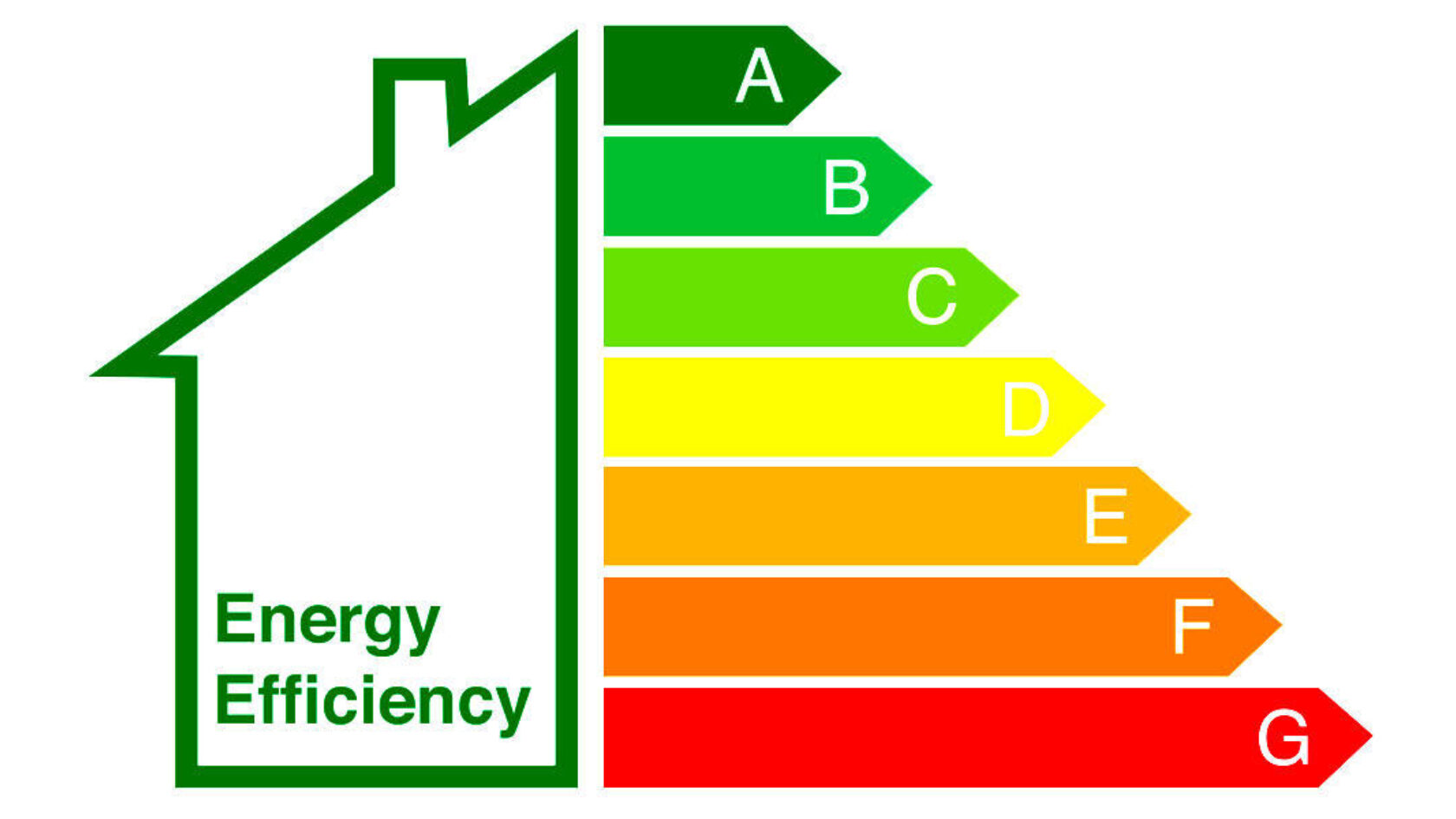
After the inspection, approved software is used to calculate an energy rating from A+, representing the highest level of efficiency, to G, representing the lowest. The certificate also includes recommendations that may help reduce energy use. These could range from replacing inefficient lighting to upgrading heating controls or improving insulation.
How to Prepare for a Commercial EPC in Deal
Good preparation can help the assessor complete the survey efficiently and may provide a more accurate result. Make sure all parts of the premises are accessible, including plant rooms, meter cupboards, loft areas and separate units included within the assessment.
Gather any available documents relating to the property. Useful evidence may include floor plans, construction details, records of insulation work, heating system specifications, air-conditioning inspection reports and information about recent improvements. Without supporting evidence, the assessor may be required to use standard assumptions, which can affect the final rating.
It is also helpful to identify any areas that are occupied differently or have separate heating and cooling systems. Providing this information at the start can reduce questions during the visit and help avoid the need for a return appointment.
What Happens After the Assessment?
Once the property data has been reviewed and entered into the approved calculation software, the EPC is lodged on the national register. You will receive a copy showing the energy rating, estimated performance and recommended improvements.
The recommendations are advisory rather than a compulsory schedule of work, but they can help you prioritise sensible upgrades. Improving lighting, controls, insulation or heating equipment may reduce running costs, make the premises more comfortable and strengthen its appeal to future occupants.
Rental properties may also need to meet minimum energy efficiency requirements. Rules can change, and individual circumstances vary, so landlords should check the latest government guidance before granting or renewing a tenancy.
Choosing an assessor supported by a recognised accreditation scheme provides additional reassurance. East Kent Energy Insights works with training and accreditation provided through Elmhurst Energy, a leading independent accreditation body for energy assessors in the UK.
Choosing a Local Commercial EPC Provider
A local assessor can offer practical advantages, particularly when access must be coordinated with tenants, agents or site managers. Familiarity with properties across East Kent can also make booking and communication more straightforward.
Before confirming an appointment, provide an accurate description of the premises, including its approximate floor area, number of storeys and current use. Mention any unusual features, extensions or areas with restricted access. This allows the assessor to confirm the likely scope, cost and expected turnaround without avoidable surprises.
East Kent Energy Insights offers clear communication, professional assessments and practical guidance for customers who may be unfamiliar with the EPC process. The aim is not simply to issue a certificate, but to help you understand what the rating means for your property.
Frequently Asked Questions
How long does a commercial EPC inspection take?
The time required depends on the size and complexity of the premises. A small shop or office may take around an hour, while larger buildings with several zones or systems can take considerably longer.
How much does a commercial EPC cost?
Prices vary according to floor area, building layout, use and complexity. Providing accurate property details allows the assessor to give a suitable quotation before the visit.
Can a business continue operating during the assessment?
Usually, yes. The assessor will need access to rooms, heating equipment, lighting and other building services, but disruption can often be kept to a minimum with sensible planning.
Can improvements raise the EPC rating?
Yes. Measures such as more efficient lighting, improved controls, upgraded heating systems and better insulation may increase the rating. The certificate’s recommendations can help identify suitable priorities.
For a dependable Commercial EPC in Deal, contact East Kent Energy Insights to discuss your premises, obtain a clear quotation and arrange an assessment at a convenient time.